Dermatology
Ears
Sections
Otitis Externa | Ear Canal Cytology
Otitis Externa
What is Otitis Externa?
Otitis externa is the inflammation of the skin and structures surrounding the ear canal and it is estimated that approximately 10-20% of dogs and 2%-6% of cats presented at a veterinary surgery are affected by otitis externa.The causes of this condition are multifactorial and can be categorized as primary, predisposing, and perpetuating factors.
Primary Causes
Primary Causes are responsible for initiating the inflammation of the external ear canal.They include parasites, allergic skin disease, foreign bodies, keratinization disorders, autoimmune diseases, trauma, sebaceous adenitis, zinc-responsive dermatoses, juvenile cellulitis, and certain endocrine disorders.
Predisposing Factors
Predisposing Factors create an environment that is conducive to the development of otitis externa, promoting the survival of perpetuating factors. Predisposing factors can be congenital, environmental, or both, and they include ear conformation, excessive hair in the ear canal (hypertrichosis), breed predispositions, iatrogenic trauma, excessive moisture, and obstructive ear disease.
Perpetuating Factors
Perpetuating Factors sustain the established disease. Once the ear canal has been affected by primary and predisposing factors, opportunistic infections, yeast overgrowth, middle ear inflammation (otitis media), and progressive changes in the ear canal occur, hindering the resolution of the disease.
Diagnosing Otitis Externa
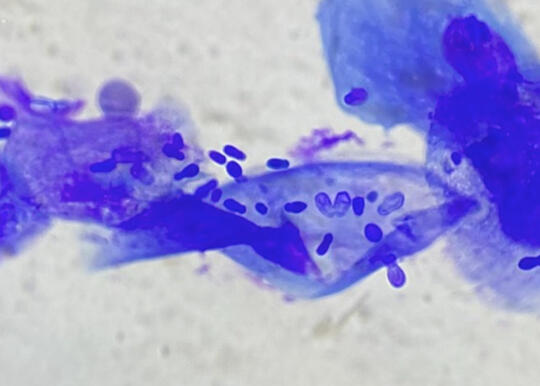
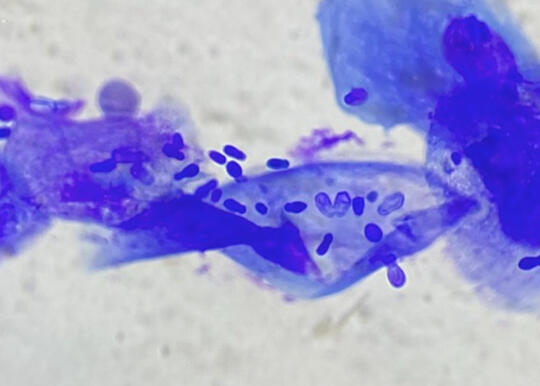
Otitis Externa, in most cases can be easily identified and managed by gathering information from a history, physical examination, otoscopic examination, and cytological evaluation of the ear canal secretions.
However, more advanced or chronic cases may require additional diagnostic procedures such as culture and susceptibility testing, biopsy, diagnostic imaging, endocrine testing, and assessment of allergic skin disease.